Now Accepting New Clients!
〰️
Now Accepting New Clients! 〰️
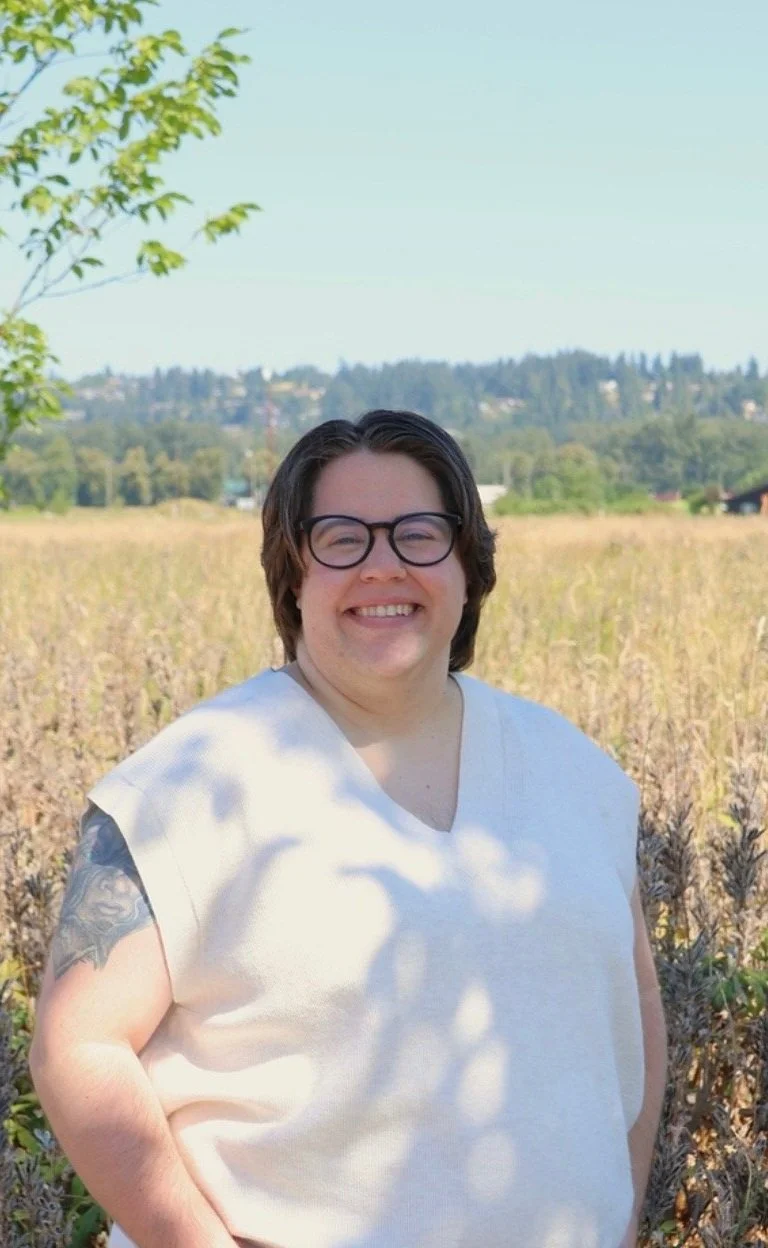
Kathryn Ouke (they/she,) LICSW
My Approach
I take an integrative and holistic approach to therapy, drawing from different therapeutic methods to fit what works best for each individual. Sessions are flexible and shaped by your needs, preferences, and goals. Some days might be spent processing recent experiences or emotions, while others may involve more structured activities or therapist-guided work. I also welcome creative and alternative ways of processing—including the use of games, mindful movement, art, music, and other expressive practices—depending on what resonates with you.
Validation, affirmation, and compassion are cornerstones of how I show up in the room. At the core of my work is collaboration. I see the therapeutic relationship as a partnership, and I believe that building trust and connection is key to meaningful growth. My goal is to create a space where you feel safe, seen, and supported, and where we can work together in a way that feels respectful and affirming.
I work from a trauma-informed perspective, which means I prioritize your emotional safety, your autonomy, and trust and transparency. A big part of trauma-informed care is empowerment—my hope is you leave our sessions feeling more confident in yourself and more connected to your strengths. I also bring an anti-colonial lens to my practice. This means I’m intentional about challenging systems and narratives that have historically marginalized certain identities and ways of being. I am mindful of how systemic oppression can impact mental health, and I work to hold space that acknowledges and respects those realities.
Therapy is not always easy—it can involve discomfort, vulnerability, and moments of avoidance. But it’s also a space for transformation. My hope is that clients leave sessions with a growing sense of self-understanding, self-trust, and readiness to face life’s complexities with strength and clarity.
My Education and Training
Much of my experience—both in clinical settings and in social services—has been with teens and young adults, a group I am honored to support. I value walking alongside people during such a meaningful stage of life, as they explore their identities, build connections, and begin to shape the paths they want to take.
I started working in the social work field after earning my undergraduate degree in psychology. My early work as a case manager with youth and young adults experiencing homelessness opened my eyes to the importance of mental health support—and sparked my desire to become a social worker. I earned my Master of Social Work degree from the University of Utah in 2020 and have since continued supporting young people across different settings, including those navigating foster care, adoption, and housing instability.
I’ve pursued additional training in Trauma-Focused Cognitive Behavioral Therapy (TF-CBT) and Eye Movement Desensitization and Reprocessing (EMDR), both of which help me support clients who have experienced complex trauma. I have also participated in liberation-focused consultation and continue to engage in and seek out opportunities that help me stay grounded in an anti-colonial approach to therapy and continue offering care that’s culturally responsive and socially aware.
What to Expect in an Initial Consultation With Kathryn
It is important to me to consult with you, the potential client, as your voice is vital at every stage of this process. I am always happy to include your caregiver(s) as well, or meet with them separately, depending on what feels most comfortable for you. During our 15-minute consultation call, I’ll give you the opportunity to begin and tell me a little about you and your interests, why you are seeking therapy, and what you are hoping to gain during our time together. I’ll then tell you about me and my approach, and ask some clarifying questions I have based on the information you provide me, as well as answer any questions or address any concerns you may have. If both of us feel like we are a good potential match, we would go ahead and schedule a first appointment.
More About Me
When I’m not in the office, you can usually find me on the hunt for a truly scary horror movie, browsing local bookstores, or trying out new coffee spots. I also enjoy playing video games (The Last of Us, Days Gone, and Graveyard Keeper to name a few), spending time with my partner and our beloved pet, and enjoying time with friends and family.